NSFOCUS Gains CREST Accreditation for Penetration Test Service
November 10, 2022
Santa Clara, Calif. November 10, 2022 – NSFOCUS, a global provider of intelligent hybrid security solutions, today announced it has received CREST’s internationally recognized accreditation for its Penetration Test services, an addition to its existing accreditation for the vulnerability assessment service. CREST uses a rigorous quality assurance process to ensure its member companies are accredited and quality […]
Cyber Defense Initiative Conference (CDIC) 2022

November 10, 2022
During November 9th to 10th, NSFOCUS participated in Cyber Defense Initiative Conference (CDIC) in Thailand. Our experts Orajit Jamsai and Krittipol Hirunmaporn presented our hybrid Anti-DDoS solution and cloud security services during these 2 days. It was an amazing event for us to connect with Thailand’s cybersecurity community.
The Increasing Trend of Software Supply Chain Attacks
November 8, 2022
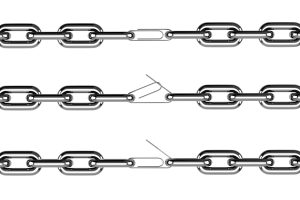
Compared with traditional security threats, supply chain threats have a spreading influence. Vulnerabilities of upstream products will affect all downstream roles, causing security risks to spread along the supply chain and consequently expanding the attack area. In recent years, several influential supply chain attacks have taken place, involving open-source components, public code repositories, and cloud […]
NSFOCUS Partner Summit 2022
November 6, 2022
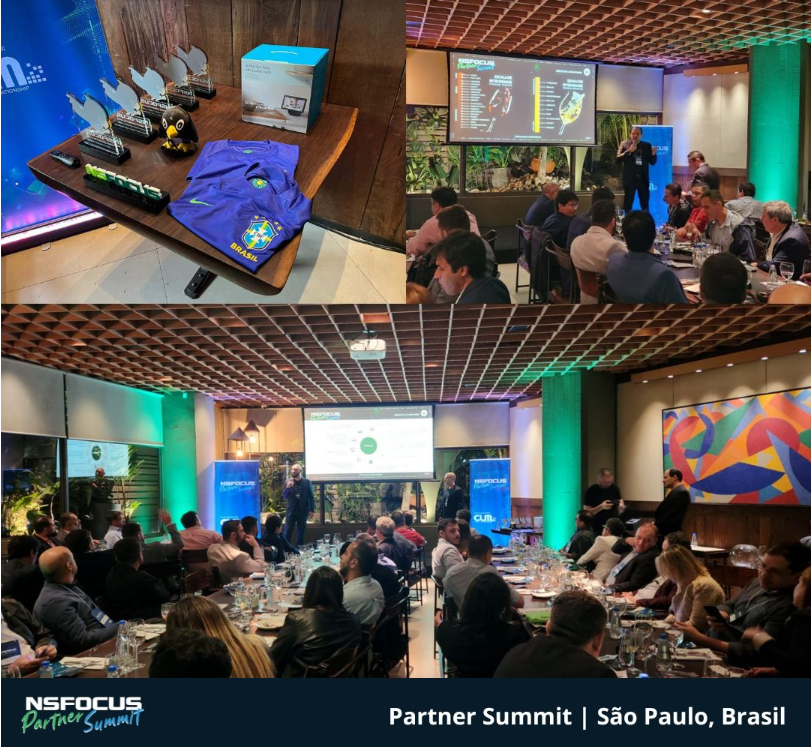
NSFOCUS LATAM team held #PartnerSummit2022 in partnership with CLM, where we met with major partners and distributors to celebrate the success we have achieved throughout this year.We spent an amazing night fulfilled with good talks, laughter, exchange of experiences, wine tasting, raffle of gifts and awards for companies that stood out in 2022.
Threats against Software Supply Chain Security
November 1, 2022
In the last post of this series, we had an overview of software supply chain security and summarized some observations during the research. You can read the previous post here. In this post, we’re going to talk about the threats faced by the software supply chain. Globalized economic development has brought more opportunities and […]
Introduction of RESTful APIs for NIPS Version 5610 and 5611
October 28, 2022
A RESTful API means that API works in REST standard. RESTful API requires the front end to send requests in one predefined format, so the server only needs to use one unified interface to process. NSFOCUS NIPS can use RESTful API to get the device information or change settings. API tools need to be authorized […]
Stay Alert to Traps in Updates: A New Variant of Magniber Ransomware
October 26, 2022
Overview The Magniber is a notorious ransomware. Unlike the common ransomware families such as Hive and LockBit that target companies, it is primarily used to blackmail individuals with a relatively low ransom around USD 2,500. The Magniber ransomware can neither be transmitted automatically nor used to upload user files, but encrypt files only. Here listed […]
GovWare Focus 2022
October 25, 2022
GovWare 2022 went back in-person in Singapore from 18th to 20th Oct 2022. The conference & exhibition was held with the theme of “Fostering a safe and sustainable cyberspace amidst disruption.” At the 3-day event, Richard, Hai Siang, Meng Kiat and Cindy were there to introduce our newly launched Cloud WAAP service, DDoS protection solution and hybrid intelligent […]
Software Supply Chain Security: Overview
October 21, 2022
Software supply chain security is one of the key considerations in modern supply chain security. NSFOCUS Security Labs has conducted long-term research on security of the software supply chain. We’d like to publish a series of posts to share our observations, explore security issues existing in the software supply chain, conclude the core concepts, technical […]
NSFOCUS Launches Cloud WAAP Service for APAC Region at GovWare 2022
October 18, 2022
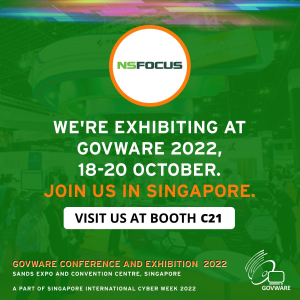
Santa Clara, Calif. October 18, 2022 – NSFOCUS, a global provider of intelligent hybrid security solutions, today launched its Cloud Web application and API Protection (WAAP) service for the Asia Pacific Region at the GovWare Conference & Exhibition held at Sands Expo and Convention Centre in Singapore on 18-20 October 2022. NSFOCUS at GovWare 2022 […]