IP Reputation Report-04262020

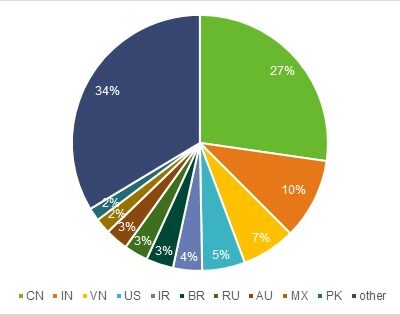
1.Top 10 countries in attack counts: The above diagram shows the top 10 regions with the most malicious IP addresses from the NSFOCUS IP Reputation databases at April 26, 2020. 2.Top 10 countries in attack percentage: The Belarus is in first place.The Cape Verde is in the second place.The country...


How Does WannaRen Ransomware Spread?

Background Recently, a new strain of ransomware WannaRen came to the surface and began to spread between PCs. This ransomware encrypts files in the Windows system and uses .WannaRen as the extension of encrypted files. The attacker leaves a Bitcoin wallet address and demands 0.05 Bitcoin as ransom. Through tracking...

DDoS Attack Landscape 4

Attack Distribution by Duration In 2019, the average duration of DDoS attacks was registered at 52 minutes, an 18% increase from 2018. We noticed that the longest DDoS attack in 2019 lasted around 20 days, far longer than attacks detected in previous years. In 2019, a DDoS attacks lasting less...

A Look into RSAC 2020: Cloud Security

RSA Conference (RSAC) 2020 was held still at the Moscone Center in San Francisco in February as scheduled. Unfortunately, I failed to attend this conference. So, instead of talking about my actual feelings of visiting the scene, I focus on what I think after watching session tracks of this conference....

IP Reputation Report-04052020

Top 10 countries in attack counts: The above diagram shows the top 10 regions with the most malicious IP addresses from the NSFOCUS IP Reputation databases at April 05, 2020. (more…)

DDoS Attack Landscape 3

DDoS Attack Type Analysis Proportions of Different Attack Types In 2019, most frequently seen attacks were UDP floods, SYN floods, and ACK floods, which together accounted for 82% of all DDoS attacks. By contrast, reflection attacks took up only 10%. Compared with 2018, reflection attacks rose slightly in number, but...

NSFOCUS
Privacy Overview

This website uses cookies so that we can provide you with the best user experience possible. Cookie information is stored in your browser and performs functions such as recognising you when you return to our website and helping our team to understand which sections of the website you find most interesting and useful.