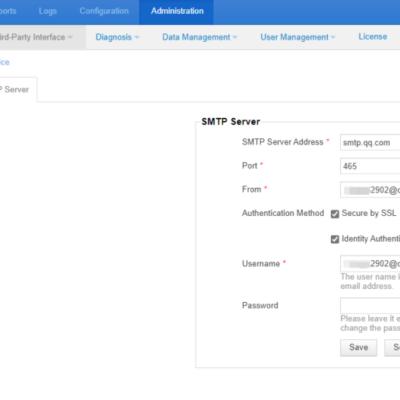
NTA SMTP Functionality Usage

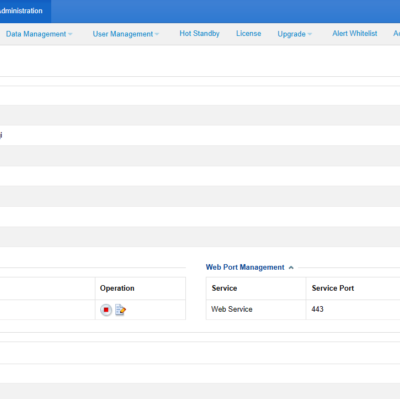
Customers can enable SMTP functionality to ensure timely receipt of alert notifications and device logs. Below are the steps to configure SMTP functionality. Configuring an SMTP Server 1. Choose Administration > Third-Party Interface > Email Service and click SMTP Server 2. Configure parameters Parameters for configuring an SMTP server: ParameterDescriptionSMTP...

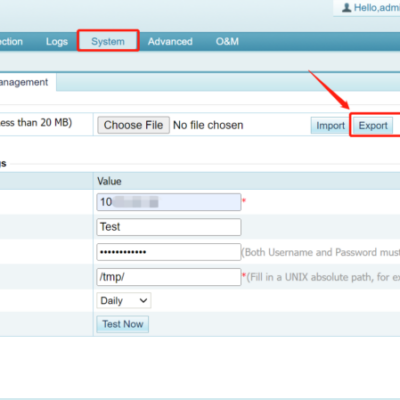
Automated and Manual Backup Procedures for ADS, ADSM and NTA

Configuration backup is important in many scenarios: System Upgrades: Backing up the configuration file can be used as a precautionary measure before carrying out system updates, software upgrades, or installing patches. This way, we can revert to the previous configuration state if something goes wrong during the update process. Hardware...

Importing an NTA Configuration File

NTA allows users to import and export configuration files so as to meet users' requirements for quick configuration restoration and local configuration file backup. To import a configuration file, perform the following steps: Choose Administration > System Configuration > Basic Information > Import Config. Select a configuration file to be...

Troubleshooting Common Errors During NTA HA Configuration

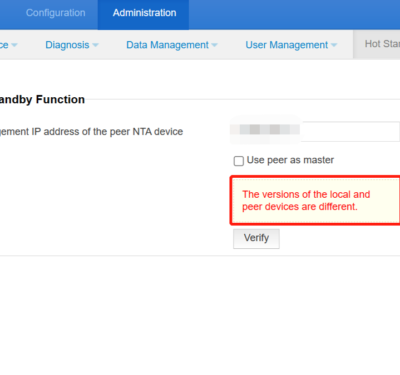
An HA switchover is initiated when: A manual switchover is performed. The slave NTA does not receive any keepalive packet from the master NTA within the specified period. The master NTA engine works improperly. The link of the VRRP group interface is down. The master NTA interface is down. The...

New Feature – Upgrade of Detection Rules via the Cloud in NTA V4.5R90F04

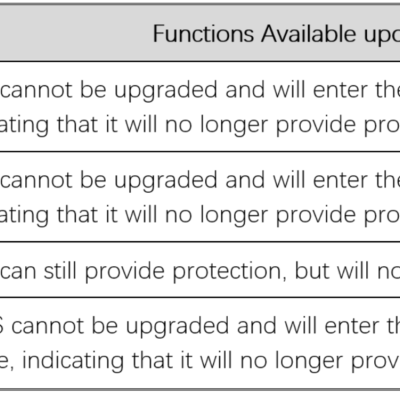
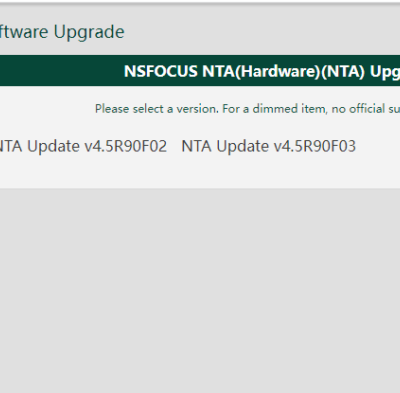
Function Description This function will be available in NTA V4.5R90F04 in Q2 2023. NTA allows online upgrades of the DDoS detection rule library for automatic protection. This function can meet most of the current customization requirements by providing the latest detection rules against new types of DDoS attacks. Configuration Procedure...

NSFOCUS
Privacy Overview

This website uses cookies so that we can provide you with the best user experience possible. Cookie information is stored in your browser and performs functions such as recognising you when you return to our website and helping our team to understand which sections of the website you find most interesting and useful.