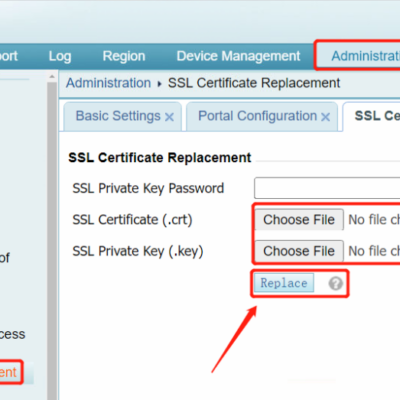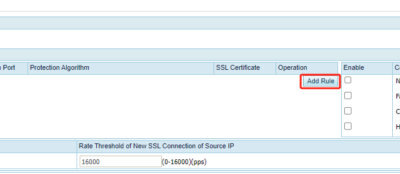
When the SSL certificate for ADSM or ADSM Portal expires, we could replace it manually on the Web GUI. ADSM Click Choose File on Administration > Local Settings > SSL Certificate Replacement to upload .crt file and .key file. Then click Replace to update the SSL certificate. ADSM Portal Click Choose File...
Categoria: Knowledge Base
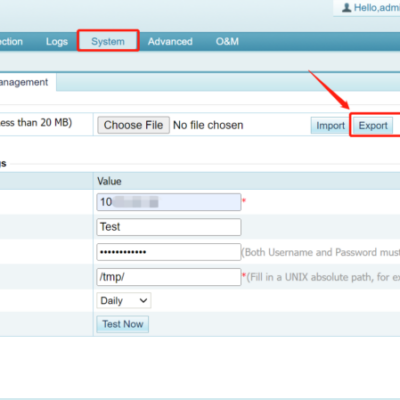
Automated and Manual Backup Procedures for ADS, ADSM and NTA
Configuration backup is important in many scenarios: System Upgrades: Backing up the configuration file can be used as a precautionary measure before carrying out system updates, software upgrades, or installing patches. This way, we can revert to the previous configuration state if something goes wrong during the update process. Hardware...
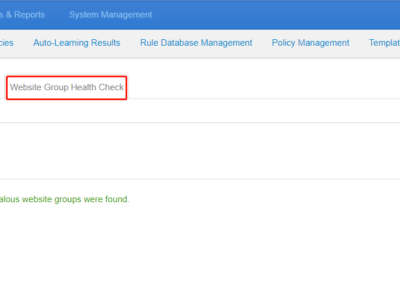
Introduction to NSFOCUS WAF Website Group Health Check
The Website Group Health Check feature at Security Management -> Website Protection -> Root -> Website Group Health Check -> One-Click Check helps users to check whether the website group policies are working as configured and identify potential issues of site configuration compiling. For example, if users change any current...
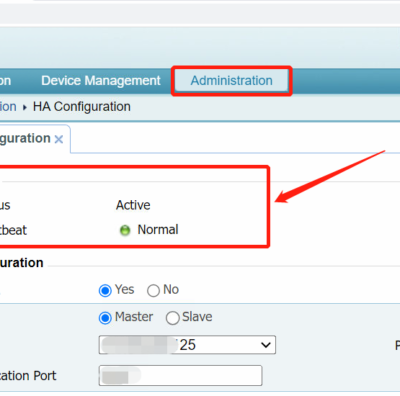
Feature Adaptations on Slave ADSM in a High Availability Environment
Sometimes, to ensure continuous business operations in the event of equipment failure, it is a common practice to configure High Availability (HA) using two ADSM devices. You can configure High Availability (HA) in ADSM by navigating to Administration > Local Settings > HA Configuration. Master: Slave: The master handles all...
Introduction to NSFOCUS WAF Apply Rule Database
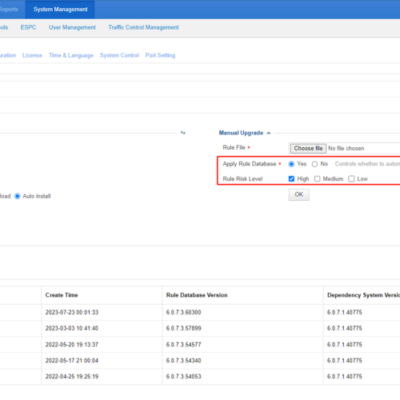
In the versions before 6.0.7.3.61634, after users upgrade the NSFOCUS WAF Rule Database, they have to add the new rules one by one to the website’s policy based on the rule name or the rule number manually to apply the new policies. To improve user experience, the NSFOCUS WAF version...
Introduction to ADS’s HTTP Keyword Checking Policy
HTTP Keyword Checking is a process by which ADS controls HTTP traffic through the ADS device. In addition, ADS takes a specific action (Accept, Drop, Disconnect, Add to blacklist, Add to whitelist, or Limit rate) as configured on passing packets whose source IP address and specific fields match the HTTP...