Cryptojacking Malware In 2019, the pickup in cryptocurrency prices led to an increase in the number of cryptojacking malware families. Of all these families, Monero mining trojans still took a dominant place. EternalBlue and weak password cracking were the major methods for ransomware families to compromise large enterprises in financial...
Blog
Alert: Digi Devices Affected by Ripple20 Can Be Used in Reflection Attacks
Executive Summary In recent years, more and more protocols that may cause UDP reflection attacks have come into our sight, such as CoAP[1], Ubiquiti[2], WS-Discovery[3], OpenVPN[4], and a certain DVR protocol[5]. These attack patterns are different from DNS, SSDP, NTP, Memcached, and other reflection attacks that are well familiar to...
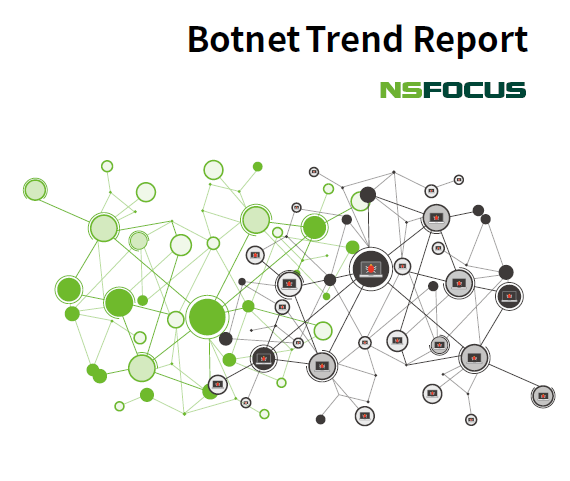
Botnet Trend Report -3
Botnets can pose a variety of cyber threats. NSFOCUS Security Labs has been focused on the capture, track, and study of botnet-related threats. In 2019, the Labs further upgraded its capturing and tracking techniques and capabilities and expanded its scope of interest to cover more diverse threats, including cryptojacking, ransomware...
Adobe July 2020 Security Updates Threat Alert
Overview On July 14, 2020 local time, Adobe released its July security updates to fix multiple vulnerabilities in its various products, including Adobe Creative Cloud Desktop Application, Adobe Media Encoder, Adobe Genuine Service, Adobe ColdFusion, and Adobe Download Manager. (mais…)
Microsoft’s July 2020 Patches Fix 124 Security Vulnerabilities Threat Alert
Overview Microsoft released July 2020 security updates on Tuesday that fix 124 vulnerabilities ranging from simple spoofing attacks to remote code execution in various products, including .NET Framework, Azure DevOps, Internet Explorer, Microsoft Edge, Microsoft Graphics Component, Microsoft JET Database Engine, Microsoft Malware Protection Engine, Microsoft Office, Microsoft Office SharePoint,...
F5 BIG-IP TMUI Remote Code Execution Vulnerability (CVE-2020-5902) Threat Alert
Vulnerability Description Recently, NSFOCUS detected that F5 had updated its security advisory on the Traffic Management User Interface (TUMI) remote code execution vulnerability (CVE-2020-5902). The affected 15.x versions were changed to 15.0.0–15.1.0, and bypassable workarounds and validation methods were updated. By accessing the TUMI via the BIG-IP management port or...